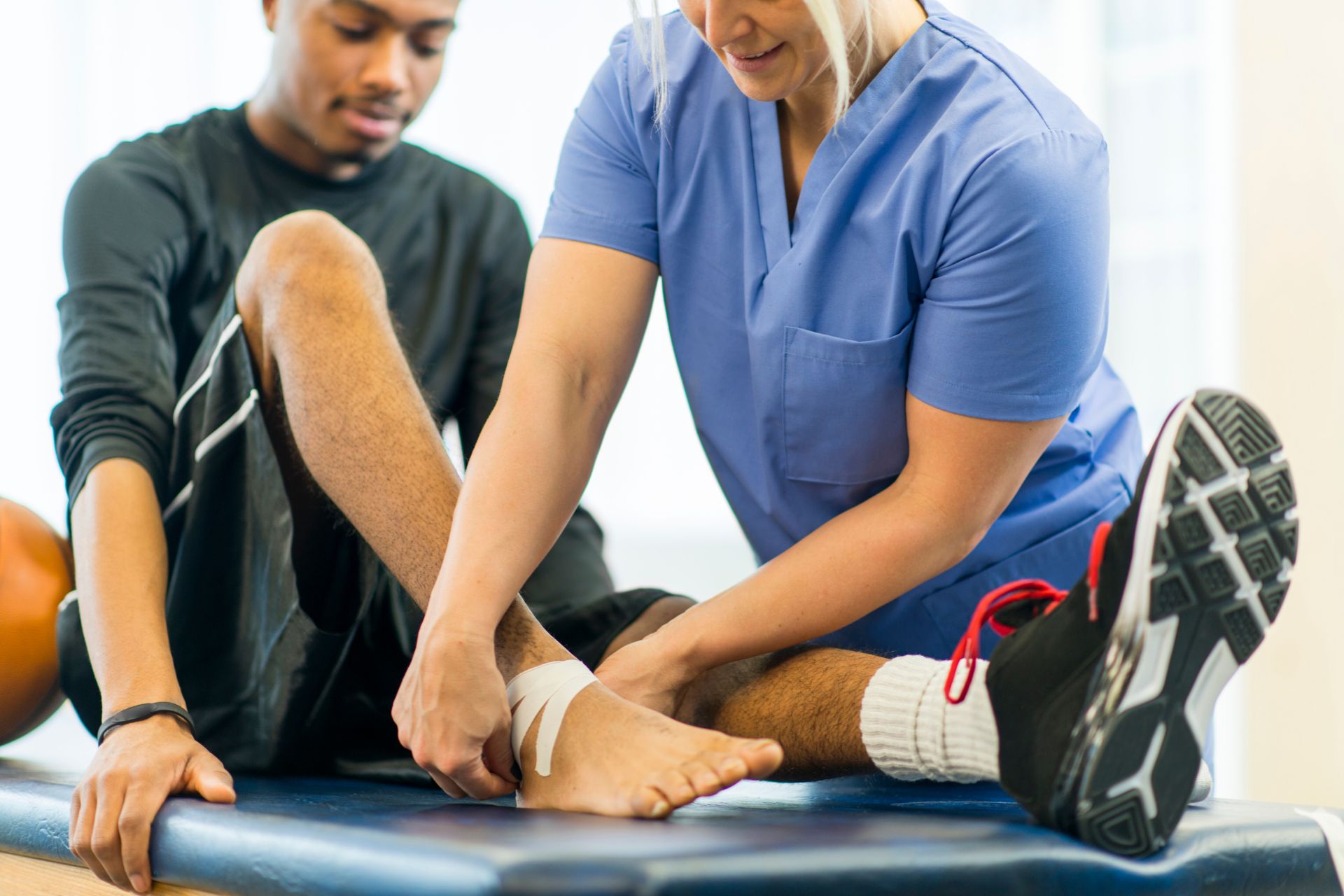
Rehabilitation Approaches for Overuse Injuries in Runners

Rehabilitation Approaches for Overuse Injuries in Runners

Discover effective rehabilitation approaches for overuse injuries in runners that promote recovery and prevent future issues. This resource provides valuable insights into treatment options, exercises, and strategies tailored specifically for runner's needs.

What evidence supports the effectiveness of eccentric strengthening exercises in rehabilitating patellar tendinopathy among runners?

Eccentric strengthening exercises have been shown to be effective in rehabilitating patellar tendinopathy, particularly among runners who frequently experience overuse injuries due to repetitive stress on the knee. Research indicates that these exercises help improve muscle strength and enhance tendon flexibility by promoting changes at both the cellular and structural levels of the tendon tissue. Specifically, eccentric training focuses on lengthening muscles under tension, which leads to increased collagen synthesis and improved tensile properties of the patellar tendon. Studies suggest that incorporating specific movements such as single-leg squats or decline squat variations can significantly reduce pain associated with jumping or running activities while simultaneously improving functional performance metrics like vertical jump height and overall agility. Furthermore, patients often report improvements in their ability to resume their regular running routines without discomfort after a structured rehabilitation program centered around eccentric loading protocols. This approach not only aids in alleviating symptoms but also addresses underlying biomechanical issues contributing to patellar tendinopathy, making it a comprehensive strategy for long-term recovery among athletes engaged in high-impact sports requiring explosive lower limb activity.

One-on-one fitness coaching provides personalized guidance to help you achieve your specific health and wellness goals more effectively. By engaging in tailored training sessions, you'll experience a customized approach that maximizes results and keeps you motivated on your journey. To explore how one-on-one fitness coaching can enhance your routine, visit using technology to enhance sports injury recovery

How does biomechanical assessment contribute to identifying specific overuse injury patterns in long-distance runners during rehabilitation?

Biomechanical assessment plays a crucial role in identifying specific overuse injury patterns among long-distance runners during rehabilitation by evaluating factors such as gait mechanics, joint angles, and force distribution. Techniques like motion analysis capture how the body moves through space while running, allowing specialists to pinpoint irregularities that may lead to injuries like shin splints or patellar tendinopathy. Additionally, measuring ground reaction forces helps in understanding the impact on lower extremities during each stride cycle. By analyzing individual characteristics such as foot strike pattern—whether it is forefoot, midfoot, or heel striking—as well as tracking posture alignment and muscle activation patterns using electromyography (EMG), clinicians can better tailor rehabilitation programs to address weaknesses or imbalances that predispose runners to chronic conditions. This detailed evaluation also incorporates flexibility assessments and strength testing of key muscle groups involved in running biomechanics; for example, assessing hip flexor tightness could illuminate issues related to iliotibial band syndrome. Ultimately, biomechanical assessment provides an evidence-based foundation for developing personalized interventions aimed at not only treating existing injuries but also preventing future occurrences by promoting optimal movement efficiency and reducing stress on vulnerable tissues throughout the kinetic chain of long-distance runners.

In what ways can cross-training modalities, such as swimming or cycling, aid recovery from plantar fasciitis without exacerbating symptoms for injured runners?

Cross-training modalities, such as swimming and cycling, can significantly aid in the recovery from plantar fasciitis for injured runners by providing low-impact alternatives that minimize stress on the feet while maintaining cardiovascular fitness and muscle strength. Swimming offers a buoyant environment where individuals can engage in aerobic exercise without placing undue pressure on their heels or arches, thus promoting blood circulation to facilitate healing. The resistance of water also strengthens muscles surrounding the foot without exacerbating inflammation associated with plantar fasciitis. Similarly, cycling allows for effective leg conditioning while keeping weight off the affected area; using stationary bikes with proper seat adjustments further ensures that no extra strain is placed on sensitive ligaments during recovery workouts. Both activities encourage flexibility through gentle movements that can help maintain range of motion in ankle joints which may become stiff due to reduced activity levels caused by injury. Additionally, incorporating cross-training routines into rehabilitation programs enables athletes to preserve endurance and prevent deconditioning during periods when running is not feasible due to pain management protocols recommended by healthcare professionals or physical therapists focused on rehabilitative care strategies suitable for conditions like heel spurs or tendonitis related issues linked closely with plantar fascia discomforts experienced frequently among runners engaged regularly in high-impact training regimens.

What role do neuromuscular re-education techniques play in restoring proper gait mechanics after a hamstring strain in competitive athletes?

Neuromuscular re-education techniques play a crucial role in restoring proper gait mechanics after a hamstring strain in competitive athletes by focusing on improving the coordination, strength, and timing of muscle contractions around the hip and knee joints. These techniques often involve specific exercises that target proprioception and kinesthetic awareness, helping athletes relearn optimal movement patterns to prevent compensation injuries. By incorporating balance training, plyometric drills, and functional movements into rehabilitation programs, neuromuscular re-education addresses muscle imbalances that may arise from compensatory strategies due to pain or injury. Additionally, these methods emphasize neuromotor control through visual feedback mechanisms like mirrors or video analysis which enhance body alignment during walking or running activities. Athletes can also benefit from progressive resistance training aimed at strengthening both the injured hamstrings as well as synergistic muscles such as quadriceps and glutes to restore stability throughout their kinetic chain. Furthermore, utilizing dynamic stretching routines promotes flexibility while enhancing blood flow to facilitate healing within affected tissues. Overall, implementing comprehensive neuromuscular re-education not only aids in regaining pre-injury performance levels but is essential for reducing risks of future strains by ensuring proper biomechanical function during athletic endeavors.

How effective are progressive loading protocols compared to traditional rest approaches in managing Achilles tendinopathy for recreational runners during their rehabilitation process?

Progressive loading protocols have shown to be more effective than traditional rest approaches in managing Achilles tendinopathy for recreational runners during their rehabilitation process. These progressive loading strategies focus on gradually increasing the intensity and volume of exercises, which helps strengthen the tendon and improve its resilience over time, reducing pain and enhancing functional capabilities. In contrast, traditional rest methods often involve prolonged inactivity that can lead to muscle atrophy, decreased flexibility, or further degeneration of the affected tissue. By incorporating specific eccentric strengthening exercises and plyometric activities within a structured framework that emphasizes gradual increments in load—while also addressing factors like biomechanics, running gait analysis, foot posture correction through orthotics if necessary—progressive loading not only aids in restoring normal tendon function but also encourages better overall physical conditioning. Furthermore, this approach actively engages runners by promoting an understanding of self-management techniques while mitigating psychological barriers associated with injury recovery. Thus far-reaching evidence supports utilizing these tailored training programs alongside education about proper footwear choices and warm-up routines as integral components of a comprehensive rehabilitation strategy aimed at achieving long-term outcomes for individuals suffering from Achilles tendinopathy in recreational settings.

Frequently Asked Questions

To effectively prevent plantar fasciitis in runners, specific stretching techniques should be incorporated into their routine. The calf stretch, targeting the gastrocnemius and soleus muscles, is crucial as it alleviates tension along the Achilles tendon and reduces strain on the plantar fascia. Additionally, performing a seated toe stretch can enhance flexibility in the intrinsic foot muscles while promoting proper alignment of the metatarsals. Implementing a towel stretch for improving dorsiflexion helps maintain an optimal range of motion at the ankle joint, further diminishing risk factors associated with overuse injuries. Furthermore, utilizing wall stretches to elongate both calf muscles ensures comprehensive engagement of muscle groups that support arch stability and shock absorption during running activities. Regularly incorporating these dynamic stretching routines not only aids in maintaining muscular elasticity but also fortifies biomechanical efficiency throughout each stride taken by runners predisposed to developing plantar fasciitis symptoms.

Eccentric strengthening exercises play a crucial role in the rehabilitation of patellar tendinopathy among long-distance runners by specifically targeting the tensile strength and structural integrity of the patellar tendon. These exercises, which involve lengthening muscle fibers under tension, promote collagen synthesis and enhance tendon adaptability, thereby reducing pain associated with overuse injuries often seen in endurance athletes. Incorporating eccentric loading through activities such as single-leg squats or decline step-ups can stimulate vascularization within the tendon tissue, facilitating improved blood flow and nutrient delivery for recovery. Moreover, these targeted interventions help correct biomechanical deficiencies that contribute to suboptimal running mechanics, ultimately fostering better alignment during gait cycles and minimizing excessive strain on the knee joint. The cumulative effect of eccentric training not only alleviates symptoms but also fortifies muscular support around the knee region while enhancing overall performance capacity for sustained athletic endeavors.

Footwear plays a critical role in the management of iliotibial band syndrome (ITBS) among marathon runners, as proper shoe selection can significantly influence biomechanical alignment and lower extremity mechanics. Supportive running shoes that provide adequate cushioning and stability help to mitigate excessive pronation or supination during gait cycles, thereby reducing strain on the iliotibial band. Additionally, footwear featuring features like arch support and heel-to-toe drop variations assists in maintaining optimal posture while promoting efficient energy transfer through each stride. Runners may benefit from custom orthotics tailored to address specific foot structure anomalies such as flat feet or high arches, which could exacerbate ITBS symptoms by creating abnormal loading patterns around the knee joint. Moreover, regular evaluation of worn-out shoes is essential since degraded cushioning can lead to increased impact forces on the lateral aspect of the knee region, further aggravating inflammation associated with ITBS. By carefully selecting appropriate footwear designed for their unique biomechanics and training demands, marathon runners can effectively manage symptoms related to iliotibial band syndrome while enhancing overall performance longevity and injury prevention strategies.

For individuals recovering from shin splints, specific types of foam rollers and massage tools can significantly aid in alleviating discomfort and promoting recovery. High-density foam rollers with a textured surface are particularly effective for targeting the tibialis anterior and surrounding calf muscles, enhancing blood flow while reducing muscle tightness through myofascial release. Additionally, using a smaller diameter roller or a massage stick can allow for more precise pressure application along the shins and lower legs, helping to break down adhesions in fascia tissue. Recovery balls or trigger point therapy tools designed for deep tissue penetration may also assist in addressing localized pain by releasing tension within affected areas. Regularly incorporating these specialized tools into rehabilitation routines not only facilitates enhanced flexibility but also aids in accelerating overall healing processes associated with exercise-induced injuries like shin splints.

The running surface significantly influences rehabilitation strategies for Achilles tendinitis, as different terrains present unique biomechanical demands and stressors on the tendon. Hard surfaces like asphalt or concrete can exacerbate impact forces, leading to increased strain on the posterior chain musculature and potentially prolonging recovery times. Conversely, softer surfaces such as grass or synthetic tracks may reduce these impacts while providing greater shock absorption, allowing for a more gradual return to activity through modified training regimens that incorporate eccentric loading exercises and plyometric drills tailored to individual tolerance levels. Additionally, varying running grades—inclines versus declines—can alter kinetic patterns during gait mechanics; thus clinicians often emphasize the importance of transitioning between diverse substrates in order to facilitate proper healing without aggravating existing inflammation or pain symptoms associated with this overuse injury. Overall, understanding how specific running environments affect tendon load is crucial in developing comprehensive rehabilitation protocols aimed at restoring function and preventing recurrence of Achilles tendinopathy.
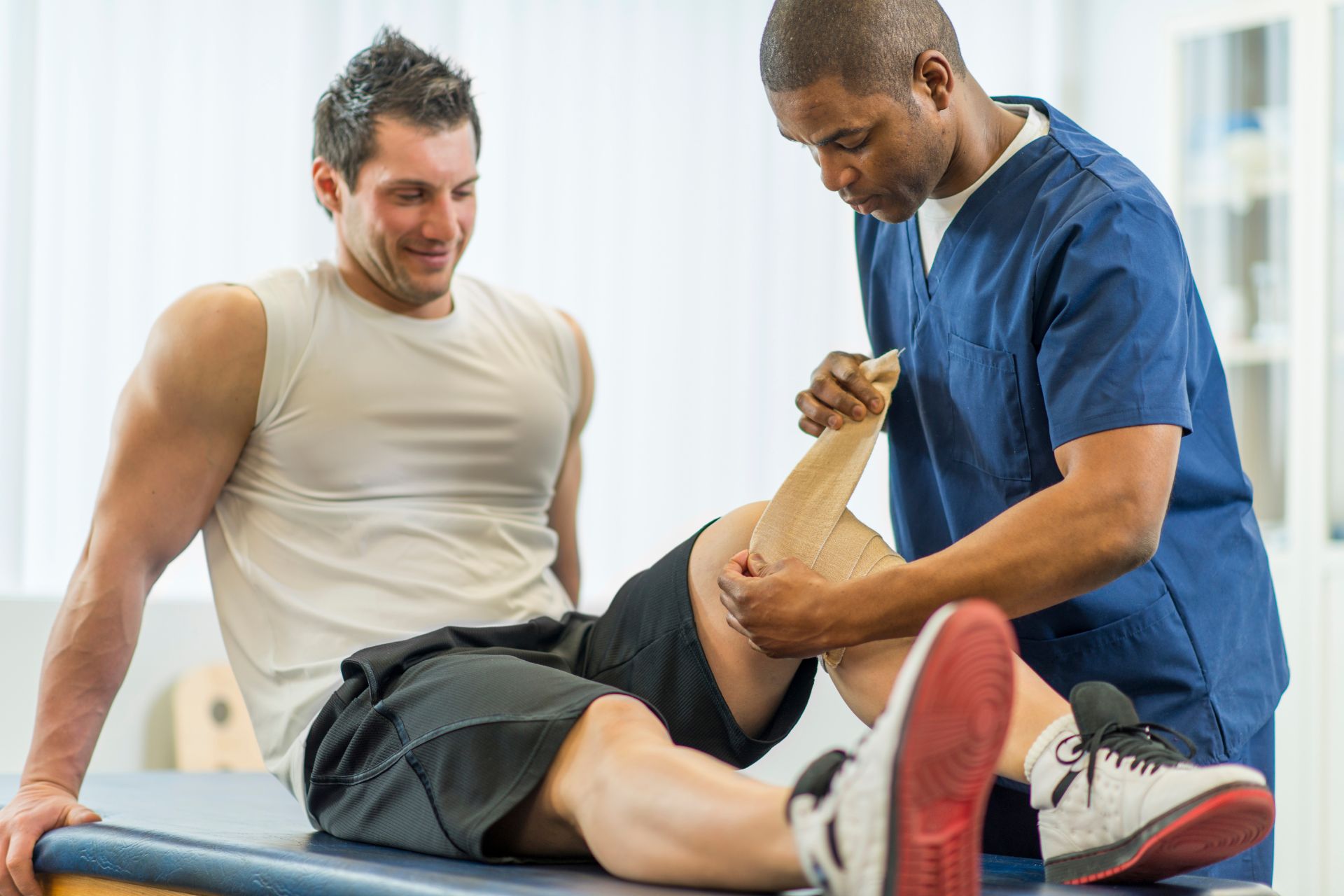
Rehabilitation Approaches for Overuse Injuries in Runners

Rehabilitation Approaches for Overuse Injuries in Runners

Contact Us

Alpine Physical Therapy and Fitness

  • Address: 3130 Alpine Rd Suite 370, Portola Valley, CA 94028
  • Phone: (650) 242-0777
  • Email: alpineptfit@mail.com

© Copyright - All Rights Reserved